A buying journey that starts online
In the watch and jewelry industry, purchases are rarely impulsive. They carry emotion and meaning, and often come with a significant budget.
Yet today, this kind of purchase very often starts... online. A Google search, inspiration on Instagram, a visit to a jeweler's website,
reading reviews: the journey begins in the digital world before continuing, in many cases, in the store.
In this context, omnichannel is no longer just a perk or a convenience. For customers, it has become an unspoken expectation.
But what does a successful omnichannel experience actually look like when it comes to buying a ring, a watch or a valuable piece of jewelry?
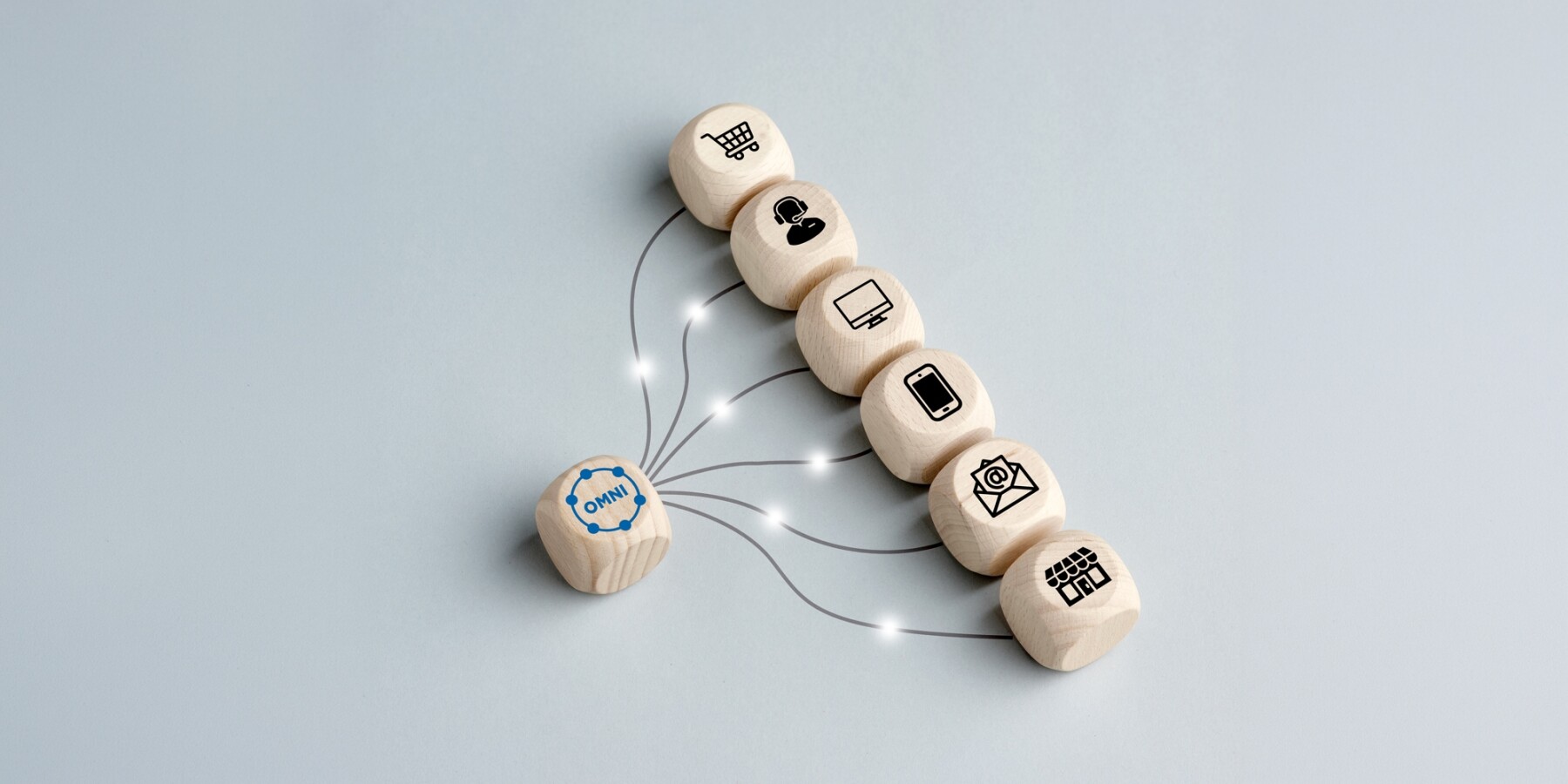
A seamless link between dream and reality
The customer journey often starts with inspiration. A piece spotted on Instagram, a watch discovered through an online search or a ring seen on a jeweler's website.
In many cases, this digital discovery then continues in the store. Customers expect a natural continuity between these two worlds.
The product seen online should be available in the store, the information should match and the visual identity should be recognizable.
If a customer discovers a piece on a jeweler's website but cannot find it or recognize it in the store, trust can quickly be shaken. In watch and jewelry retail, omnichannel is above all about turning a digital intention into a real-world experience.
Consistency in message and value
In this industry, credibility is essential.
Customers expect the same level of expertise, precision and quality on every channel: website, social media, store or customer service. A very high-end website followed by sloppy exchanges on social media, or the other way around, immediately creates a disconnect.
A successful omnichannel strategy therefore relies on a clear, consistent identity. Your message, image and service quality should reflect the same values at every touchpoint: craftsmanship, authenticity, precision and durability.

Freedom to choose their own journey
Every customer approaches a purchase differently.
Some want to understand and compare before they even walk into a store. Others prefer to discover the product in person before looking it up online.
Omnichannel should make this freedom possible.
Browsing pieces online, checking availability, reserving a piece to try on in store, asking a question remotely or completing the purchase later: these interactions are now a natural part of the journey.
Customers don't want a set path. They want a smooth journey that adapts to their pace.
Recognition that is discreet but real
In an industry where relationships are often personal, customers like to be recognized.
This isn't about intrusive personalization, but about the right kind of attention: knowing a customer's purchase history, their preferences or an important date in their life.
This continuity in the relationship strengthens the feeling of being valued and trusted, two essential ingredients in a purchase with high emotional value.
After-sales service: the real test of omnichannel in jewelry retail
It is often after the purchase that omnichannel shows its true value.
Repairs, warranties, servicing, resizing a ring or adjusting a bracelet: these services are a full part of the customer experience in watch and jewelry retail.
Customers then expect their history to be available, whatever the channel: in store, by phone or online.
This is often the moment when the omnichannel promise is truly put to the test.
Omnichannel in jewelry retail: key takeaways
In watch and jewelry retail, omnichannel isn't just about adding more touchpoints.
Its main goal is to create a smooth, consistent and reassuring experience between digital and the store.
When it is well designed, it turns a simple online search into a lasting relationship with the jeweler.
With Commerce 360 and a website, see how hbjo online can support you on your omnichannel journey.
Contact us to find out how to bring omnichannel to your store!
 Back